In Japan, common ways to manage headaches or migraines include over-the-counter medication, painkillers, and massage.
In Europe, however, and particularly in France, osteopathy — known in French as Ostéopathie — is widely trusted as a form of manual therapy for headache care.
In France, migraine is considered one of the most common neurological disorders. According to estimates from the Global Burden of Disease Study 2016, approximately 11.89 million people in France had migraine in 2016. This corresponds to around 18% of the country’s total population of approximately 67 million people.
Reference: ScienceDirect
https://www.sciencedirect.com/science/article/pii/S0035378724006581
Reference: INSEE
https://www.insee.fr/fr/statistiques/1908103/
Given this context, migraines and chronic headaches are widely recognized in France as common health concerns.
In addition to medical treatment, complementary approaches such as osteopathy are now commonly considered part of standard care options.
So why do people in France choose osteopathy to help relieve headaches?
In this article, based on clinical reports and research literature, we explain the osteopathic perspective on headaches and the key features of osteopathic treatment in an easy-to-understand way.
Osteopathy is a form of manual therapy that originated in the United States in the late 19th century. It is based on the idea that the body is one integrated whole and has an innate capacity for self-healing.
In France, osteopathy is widely recognized, and professionally qualified osteopaths aim to improve symptoms by restoring balance throughout the body, including the musculoskeletal, nervous, and circulatory systems.

When people hear the word “headache,” they may think of the brain, blood vessels, or shoulder stiffness.
In French osteopathy, however, a fundamental principle is that the area where pain is felt is not always the same as the area causing the problem. The body is viewed as one organic whole, in which bones, muscles, nerves, organs, and the flow of body fluids are all connected.
For this reason, even when the symptom is a headache, the underlying cause may originate in the neck, jaw, spine, or even the pelvis.
According to clinical reports, many patients who visit an osteopath have underlying factors such as neck and shoulder tension, imbalance of the jaw or the temporomandibular joint (TMJ), postural issues, and tension in the cranial structures.
Reference: PMC
https://pmc.ncbi.nlm.nih.gov/articles/PMC3201065/
Reference: PubMed
https://pubmed.ncbi.nlm.nih.gov/34649707/
Common related factors
- Tension in the fascia of the neck and head
- Jaw imbalance caused by clenching or teeth grinding
- Poor posture caused by long hours of desk work
- Autonomic nervous system imbalance caused by shallow breathing and stress
From an osteopathic perspective, these factors are not treated as isolated symptoms. Instead, they are understood as part of an imbalance affecting the body as a whole. Treatment therefore includes not only the head, but also the torso, pelvis, and other related areas.
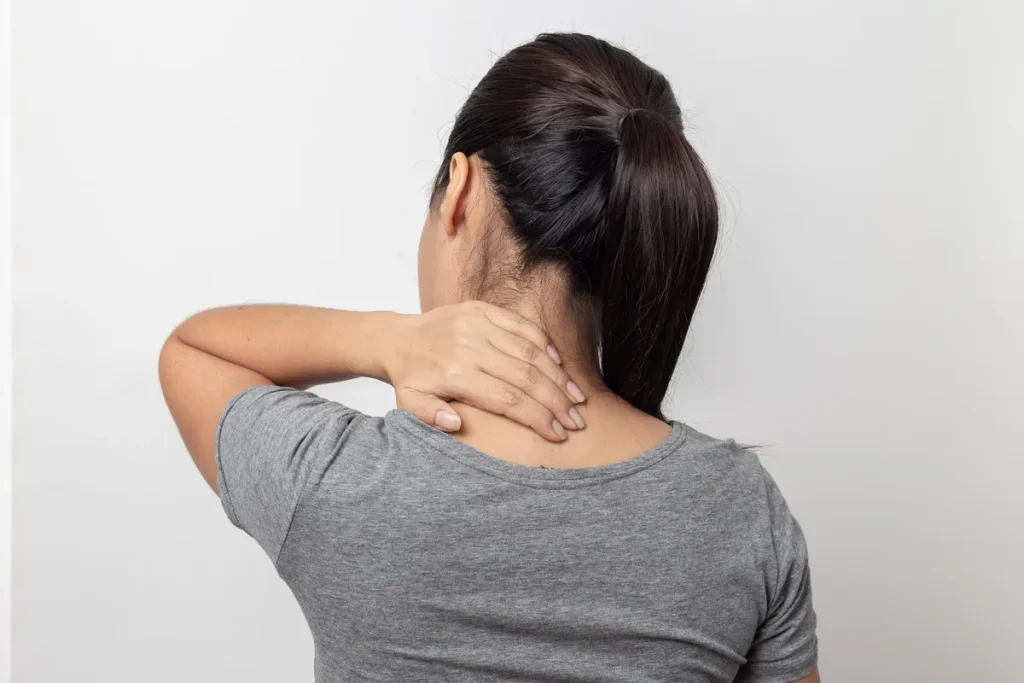
In osteopathy, headaches are classified into several types, and the cause is explored using a holistic approach.
During the consultation, the osteopath asks in detail about when the headache started, lifestyle habits, stress, medical history, diet, sleep schedule, and other relevant factors.
After that, the osteopath carefully evaluates the mobility, tension, blood flow, and postural balance of the entire body.
1. Cranial approach
The cranial approach focuses on the cranial bones, the membranes beneath them, and the flow of cerebrospinal fluid. Its aim is to reduce excessive tension, relieve nerve compression, and improve circulation.
2. Myofascial approach
The myofascial approach works on the muscles and fascia of the neck, shoulders, and back in order to improve circulation and improve oxygen supply to the cells.
It is considered particularly useful for postural tension headaches, known in French as céphalée de tension posturale, and may help reduce the risk of symptoms becoming chronic.
3. Temporomandibular joint (TMJ) adjustment
Jaw misalignment or excessive tension in the jaw muscles may affect the trigeminal nerve and contribute to pain in the face or temples.
Restricted movement of the TMJ may also be associated with pain in the head or neck.
During osteopathic treatment, the mobility and the tension of the jaw are assessed and treated as part of an approach aimed at restoring overall balance throughout the body.
Evidence on osteopathy for headache comes from studies conducted in several countries, rather than France alone.
Studies have investigated the effects of osteopathy on headaches, and a trend toward improvement in pain intensity and headache frequency has been reported in patients with migraine and tension-type headaches.
Reference: PMC
https://pmc.ncbi.nlm.nih.gov/articles/PMC5359118/
In addition, a 2015 study involving 105 patients with chronic migraine reported improvements in the impact of migraine on daily life, medication use, the number of migraine days, pain intensity, and functional ability. These improvements were observed in patients who received osteopathic treatment in addition to medication, compared with those who received a simulated treatment plus medication or medication alone.
Reference: PubMed
https://pubmed.ncbi.nlm.nih.gov/25847552/
Of course, results vary from person to person. However, these findings suggest that osteopathy may not only help relieve pain, but may also support the body’s ability to better adapt and reduce the risk of recurrence.
Osteopathy aims to relieve pain while promoting the body’s natural ability to heal itself.
This is one of the major differences between osteopathy and medication or temporary massage.
Natural self-healing capacity refers to the body’s innate ability to heal illness or injury and maintain a healthy state. When this function is not working well in daily life, symptoms such as headaches or lower back pain may appear.
By combining cranial techniques, myofascial release, visceral techniques, and other approaches to restore harmony throughout the body, osteopathy is said to have positive effects not only on the body’s natural self-healing capacity.
It is also said to have positive effects on other aspects of health, such as sleep, concentration, and posture.

To help prevent symptoms from returning after treatment, it is also important to improve daily habits.
Osteopaths in France often recommend self-care practices, such as:
- Do gentle neck and shoulder stretches every day
- Stay well hydrated to support circulation
- Change posture every 30 minutes when sitting for long periods
- Maintain a regular sleep schedule to help stabilize the autonomic nervous system
These small daily habits can play an important role in helping the effects of treatment last longer.
Osteopathy is an approach that aims to address headaches and migraines at their root by restoring harmony between the structure and function of the body as a whole.
In France, osteopathy is institutionally recognized as a regulated profession and has earned a high level of trust as part of commonly used healthcare.
For people who feel that medication does not resolve their symptoms, or who continue to experience headaches without a clear cause, osteopathy may offer another option, particularly for those seeking a more holistic approach to headache care.
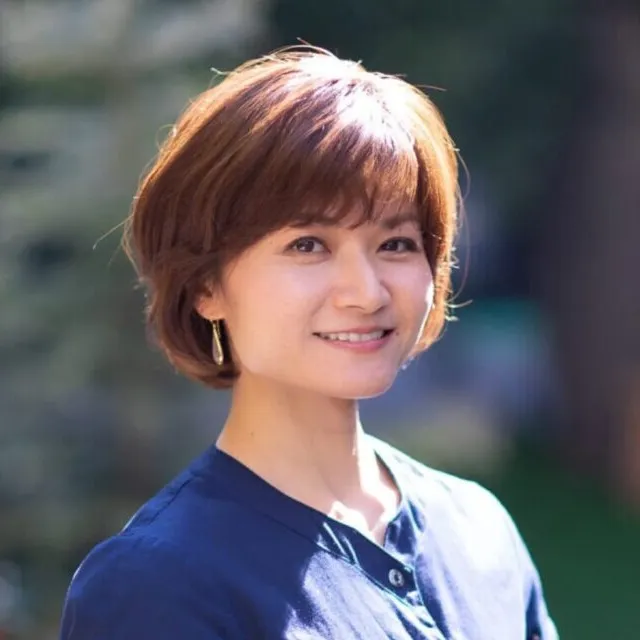
Yoko Kondo, Osteopath D.O.
Qualifications
Graduated with a diploma in osteopathy from the CSO (Conservatoire Supérieur d’Ostéopathie de Paris), a school accredited by the French Health Ministry.
Background
Originally from Tokyo, Japan.
During her five-year program at the CSO in Paris, she studied medical theory and osteopathic techniques and completed specialized curricula and clinical training in areas including newborn and pediatric care, pregnancy, athletes, and cancer patients.
After working as an osteopath in Paris, she is now based in Tokyo and treats patients of a wide variety of nationalities.